Making an existing website faster without a rebuild
A slow site loses visitors and search ranking. Most speed problems can be fixed without starting from scratch.

Sigma Fusion
· 2 min read
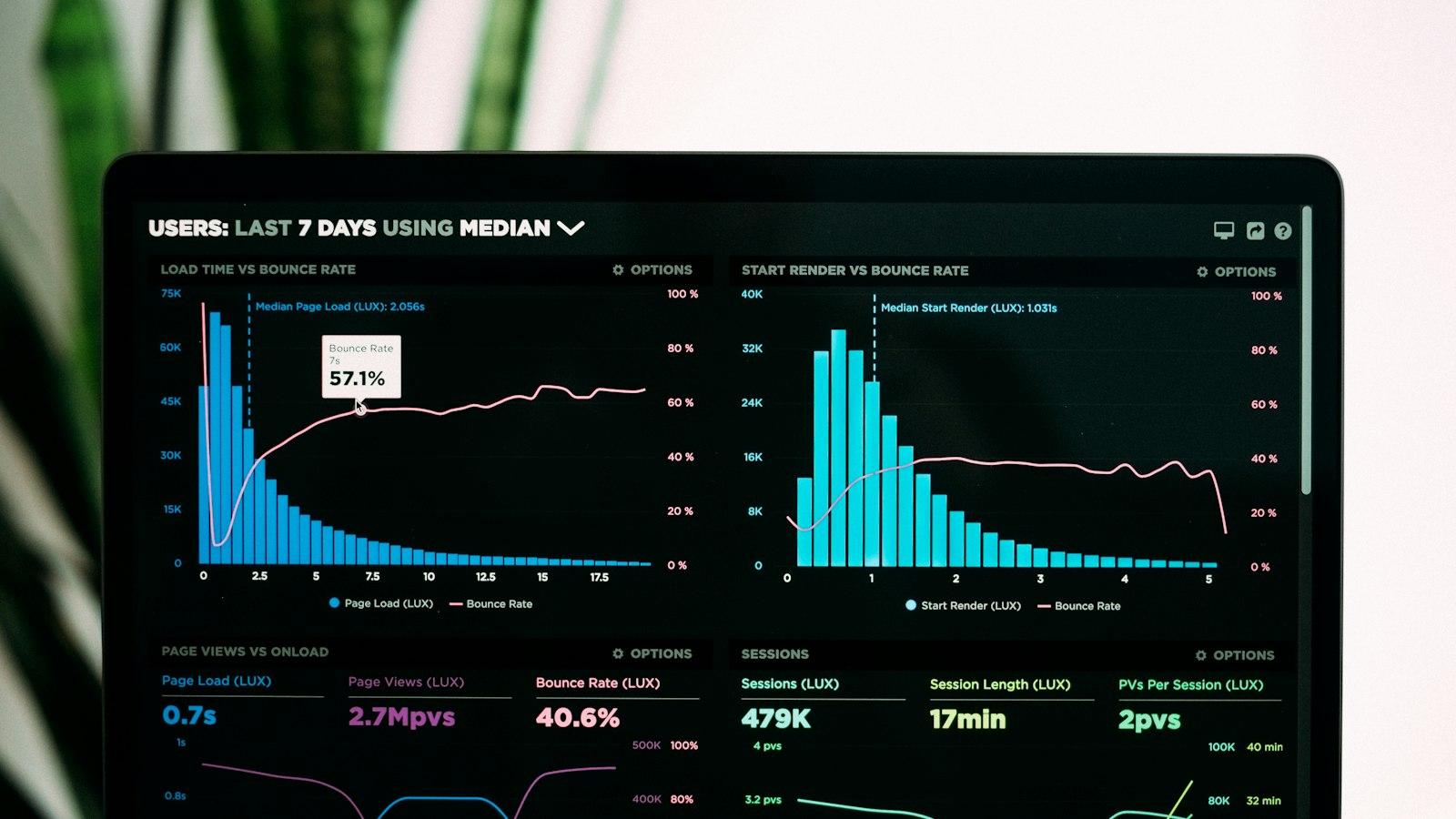
If your website takes more than a few seconds to show something useful on a phone, many visitors leave before it loads. Search engines notice too. The good news is that most slow sites have the same handful of causes, and fixing them rarely requires a rebuild.
Measure first
Run your key pages through a free speed test on a mobile setting. Note the time until the main content appears and the overall score. These numbers are your baseline, so you can prove what each fix achieved.
The usual culprits
- 1Huge images. Photos uploaded straight from a camera can be several megabytes each. Resize them to the size they are shown at and use modern formats.
- 2Too many scripts. Chat widgets, trackers and plugins each add weight. Remove the ones you no longer use and load the rest after the page appears.
- 3Heavy fonts. Loading many font weights and families slows the first paint. Two weights are usually enough.
- 4No caching or CDN. Serving files from a nearby location and letting browsers reuse them makes repeat visits nearly instant.
- 5Slow hosting or database queries. Sometimes the server is the bottleneck, and a better plan or a few query fixes solve it.
Fix the most visited pages first
Your homepage, top service pages and checkout matter far more than an old blog post. Start where the traffic is.
Keep it fast
Speed drifts as new content and plugins are added. A quick monthly check and a rule that every new image is optimised before upload keep the gains in place.
A faster site is one of the few improvements that helps every visitor, every page, every day.