From breadboard to field: making an IoT device reliable
A prototype that works on your desk is the easy part. Here is what changes when the device has to run for months in the real world.

Sigma Fusion
· 2 min read
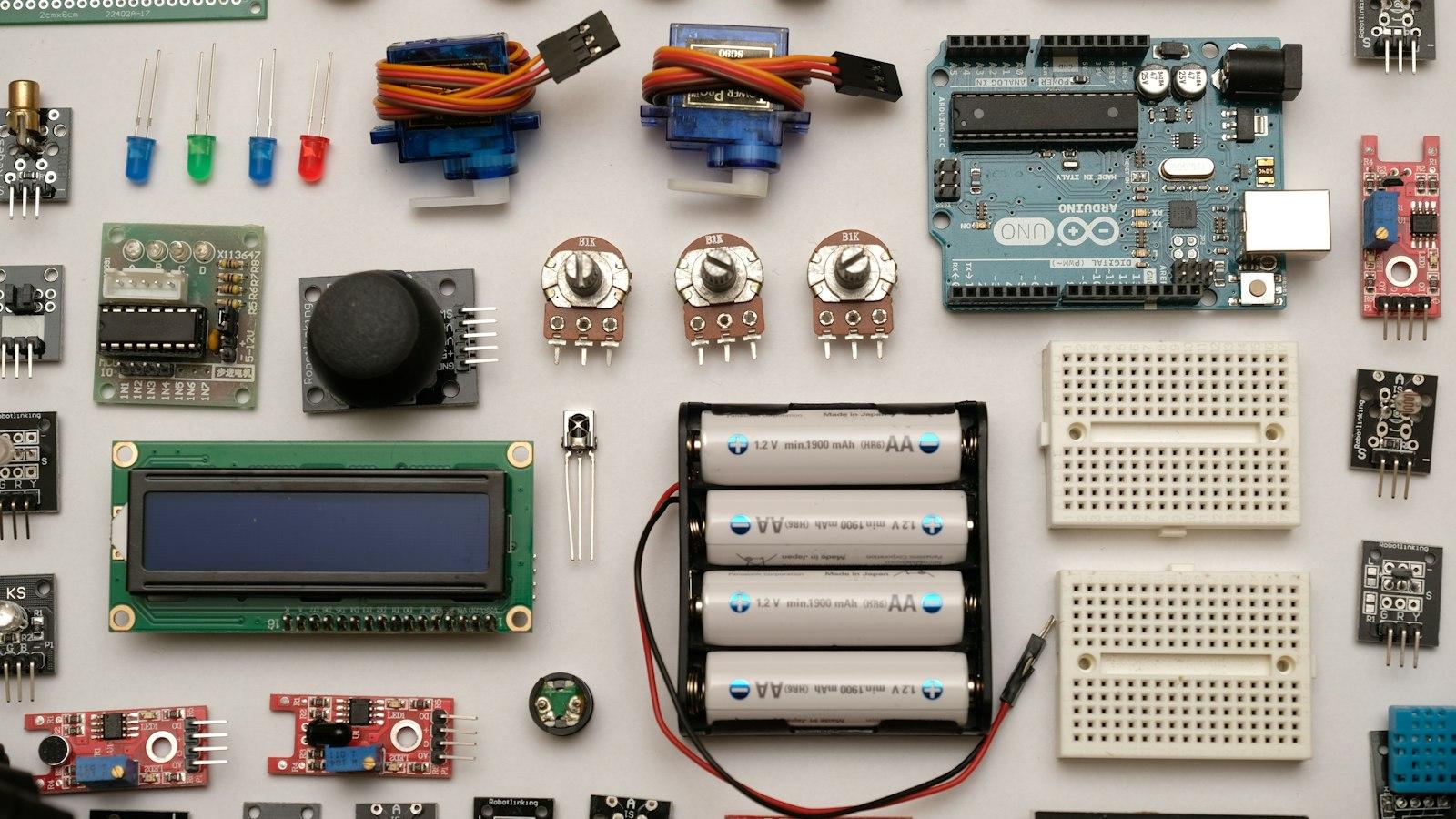
An ESP32, a few sensors and a weekend can produce a working prototype. Getting that same device to run unattended on a rooftop, in a farm or inside a factory for months is a different project.
Power is the first problem
Voltage fluctuations and outages are routine in many places. A field device needs proper power regulation, protection against surges and a clean way to recover after power returns. If it runs on battery, it needs to sleep most of the time and wake only when it has work to do.
Assume the network will drop
Wi-Fi and mobile data are not always available. A reliable device stores readings locally while offline and sends them when the connection returns, in order and without duplicates. It also reconnects on its own without anyone pressing a reset button.
Plan for updates
Firmware will need fixes. Over-the-air updates let you improve devices without visiting each one, but they must be done carefully: a failed update should never leave a device unusable. That means verifying the new firmware and keeping a safe version to fall back to.
Protect the hardware
- An enclosure suited to dust, heat and moisture
- Sensors placed and calibrated for real conditions, not lab conditions
- Connectors and wiring that survive vibration
Watch the fleet
Once several devices are deployed, you need to know which ones are online, when each last reported, and which are behaving strangely. A simple health dashboard and alerts for silent devices save many site visits.
A field-ready device is one you can forget about until it tells you something useful.