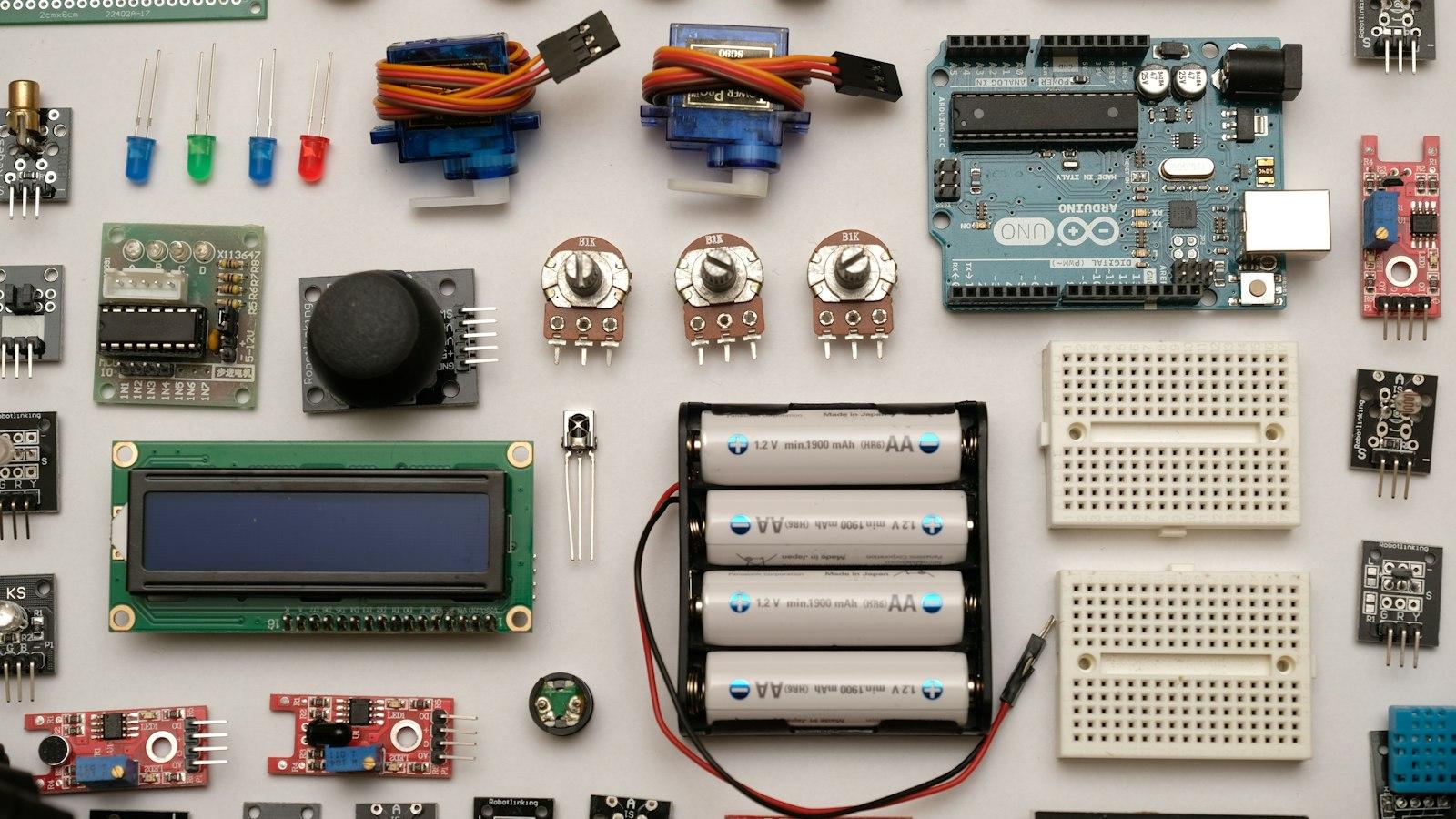
Decide what to measure before you choose the sensor
IoT projects succeed when they start from a decision someone needs to make, not from a sensor someone wants to try.

Sigma Fusion
· 2 min read

It is tempting to begin an IoT project with hardware: a new sensor, a new board, a cool dashboard. The projects that deliver value begin somewhere else, with a decision.
Start with the decision
Ask: what will someone do differently because of this data? Examples:
- Switch a pump off before the tank overflows
- Send a technician before a machine fails
- Water a field only when soil moisture drops
- Know which entrance a visitor used and when
If no action follows the data, the project is a science experiment, which is fine, but should be budgeted as one.
Then decide how often
A water level may need a reading every few seconds while a pump runs, and every few minutes otherwise. Temperature in a cold room might need one reading a minute. Sampling more often than needed drains batteries and fills databases without adding insight.
Choose how accurate is accurate enough
A cheap sensor that is accurate to a few percent is often fine for an alert. Billing, compliance or safety use cases need better hardware and regular calibration. Matching accuracy to the decision keeps costs in check.
Design the alert, not just the chart
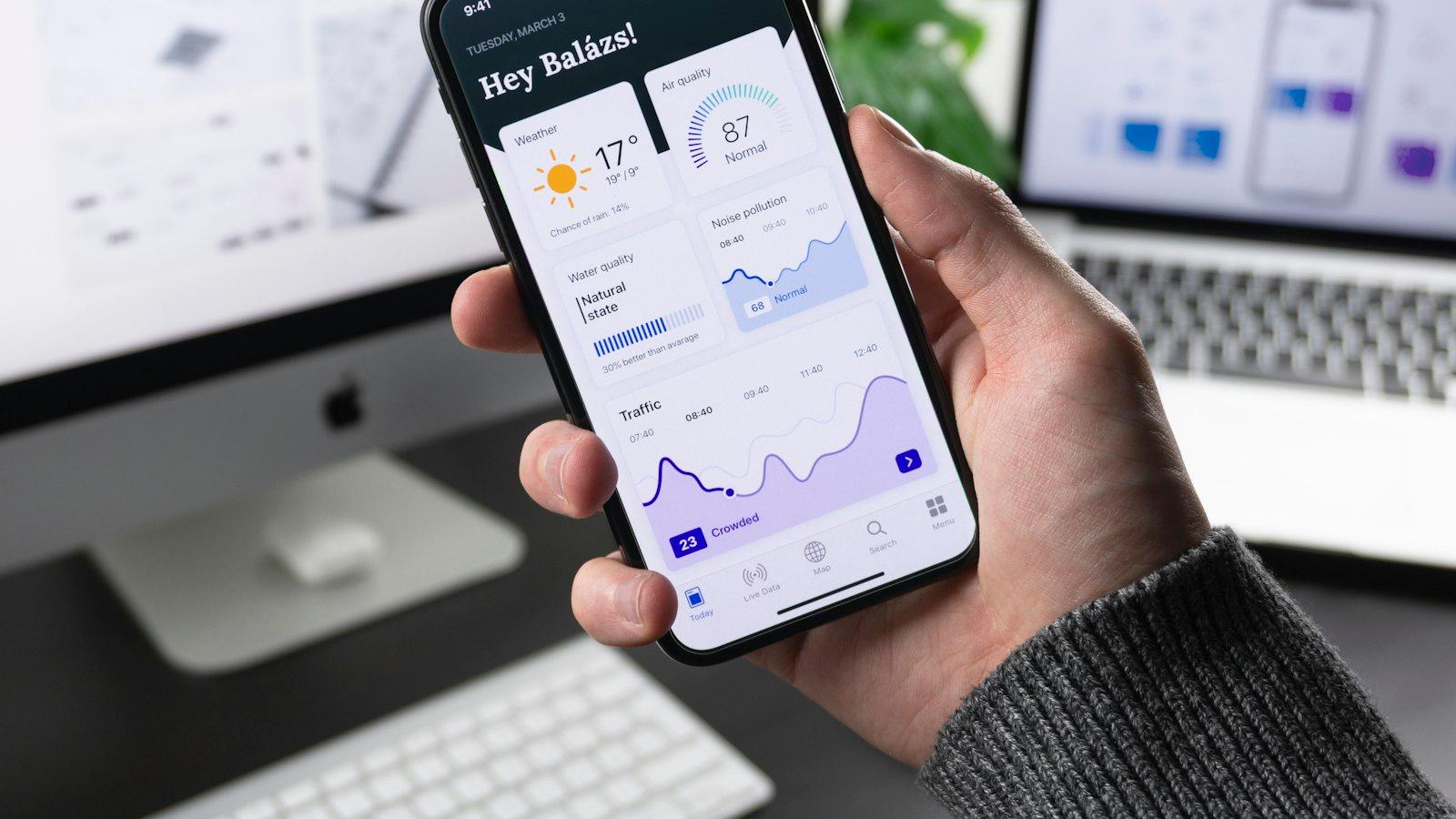
Dashboards are nice, but people do not watch them all day. The most useful output of an IoT system is usually a well-timed alert: a WhatsApp message, an SMS or an automatic action. Make sure alerts are rare, clear and actionable, or people will start ignoring them.
Keep the data useful later
Store readings with time, device and location. Months later, that history helps you spot trends, plan maintenance and prove the system's value.
Measure what drives a decision. Everything else is optional.